In 2026, the workplace is no longer just a physical office — it’s a combination of remote work, hybrid schedules, and constant digital connectivity. This shift has changed the way teams interact, collaborate, and build trust. Team building is no longer just an optional “fun day.” It’s a strategic tool that strengthens corporate culture, improves communication, and helps employees feel supported in a fast-paced environment.
Team building helps teams connect emotionally, build trust, and work better together. The most successful companies now understand that employee wellbeing and company performance are deeply connected. When employees feel valued, they perform better, stay longer, and collaborate more effectively.
1. Team Building Improves Communication
Communication is the foundation of any high-performing team. In 2026, teams often work across different locations and time zones, making communication even more challenging. Team building activities create a safe space for employees to practice listening, speaking, and working together in a non-work context.
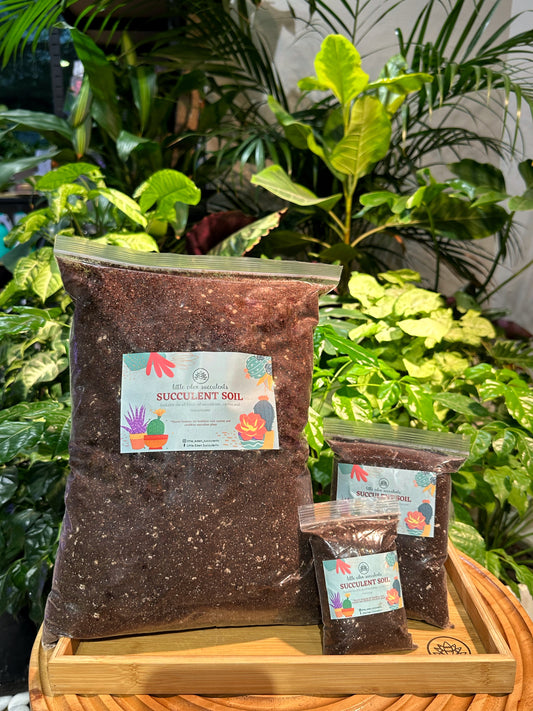
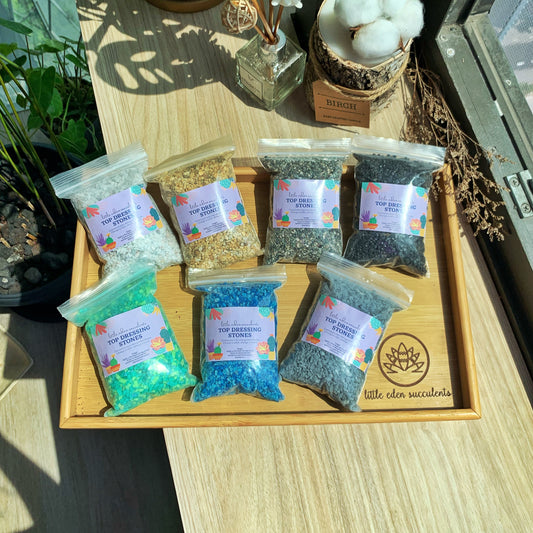
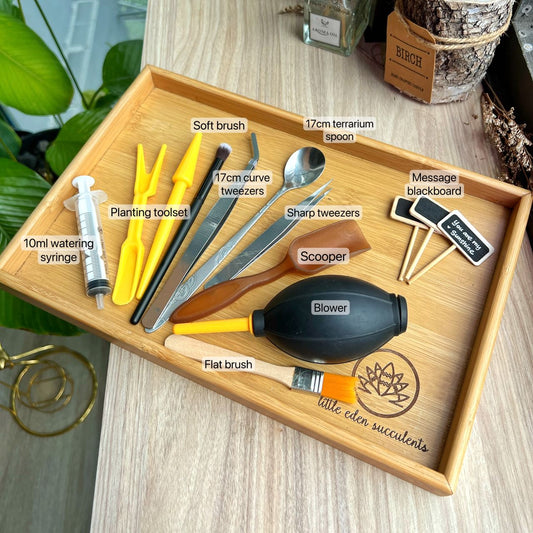
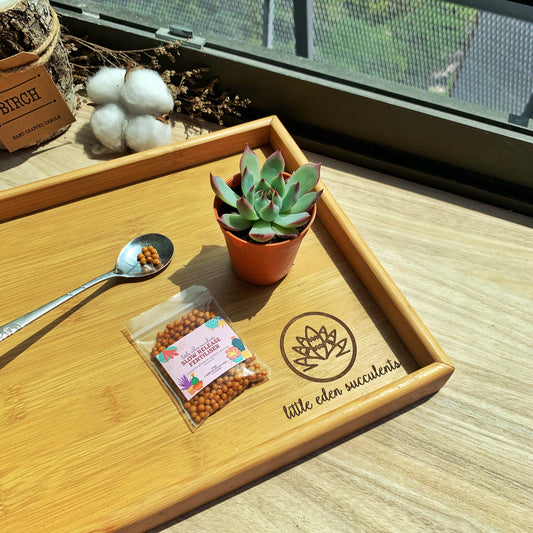
During activities like terrarium workshops or painting sessions, teams learn how to express ideas clearly and respect different perspectives. This improves communication back in the workplace, where collaboration and clarity are essential.
2. Team Building Builds Trust and Psychological Safety
Psychological safety means employees feel safe to share ideas, ask questions, and speak up without fear of judgment. Trust is built when team members experience shared moments of vulnerability, creativity, and collaboration.
Team building helps create this safety by allowing employees to see each other beyond job titles. When teams participate in creative workshops, they build trust through shared experience and mutual support.
3. Team Building Reduces Stress and Burnout
Workplace stress is a reality in 2026. With constant digital connectivity, employees often feel pressured to perform at all times. Team building provides a break from this constant pressure and creates space for relaxation and self-care.
Wellness-based activities like candle making, terrarium building, or mindfulness sessions can help employees slow down, breathe, and reset. When teams feel calmer, they work more effectively and creatively.
4. Team Building Encourages Creativity and Innovation
Creativity is essential for growth and innovation. Team building activities encourage employees to think differently, explore new ideas, and take creative risks in a safe environment.
Creative workshops like mosaic coaster making or painting allow teams to practice problem-solving, experimentation, and collaboration. These skills translate directly into workplace innovation.
5. Team Building Strengthens Company Culture
Company culture is built through shared experiences, values, and memories. Team building creates moments that employees remember and cherish. It strengthens the sense of belonging and pride in the organization.
When employees feel connected to their team, they are more engaged, more motivated, and more loyal. A strong company culture also attracts talent and builds a positive brand reputation.
Conclusion
In 2026, team building is not a luxury — it’s a strategic investment. It builds trust, improves communication, reduces stress, and strengthens company culture. When teams feel connected, they perform better, collaborate more effectively, and feel more fulfilled at work.
If you’re planning your next corporate team building event, choose activities that are meaningful, creative, and wellness-focused. Your team will leave feeling lighter, more connected, and more inspired.